
To understand why a party on an island in Boston Harbor matters, you have to go back a couple hundred years.
Caribbean Carnival was born in the late 18th century in Trinidad, where enslaved Africans — banned from the masquerade balls and pre-Lenten fetes of the French plantation owners — built their own celebrations in defiance. After emancipation in the 1830s, freed people took Carnival into the open and made it something new: a festival of freedom, music, and mockery aimed squarely at the people who had once enslaved them. That spirit spread island to island, each place adding its own flavor, and it never stayed boxed into a parade route. In Trinidad the fetes have always run on the hillsides, the beaches, and the boats — the water is part of the tradition, not a departure from it.
Caribbean people have always taken the fete to the water. Boston is no different.
And when West Indians migrated to North America, they carried all of it with them. In the diaspora, Carnival became more than a party — it became the main way Caribbean communities across generations, islands, and backgrounds found each other, held onto home, and kept the culture breathing in cities far from the islands. Every Boston Carnival weekend is part of that lineage, running straight back to Port of Spain.
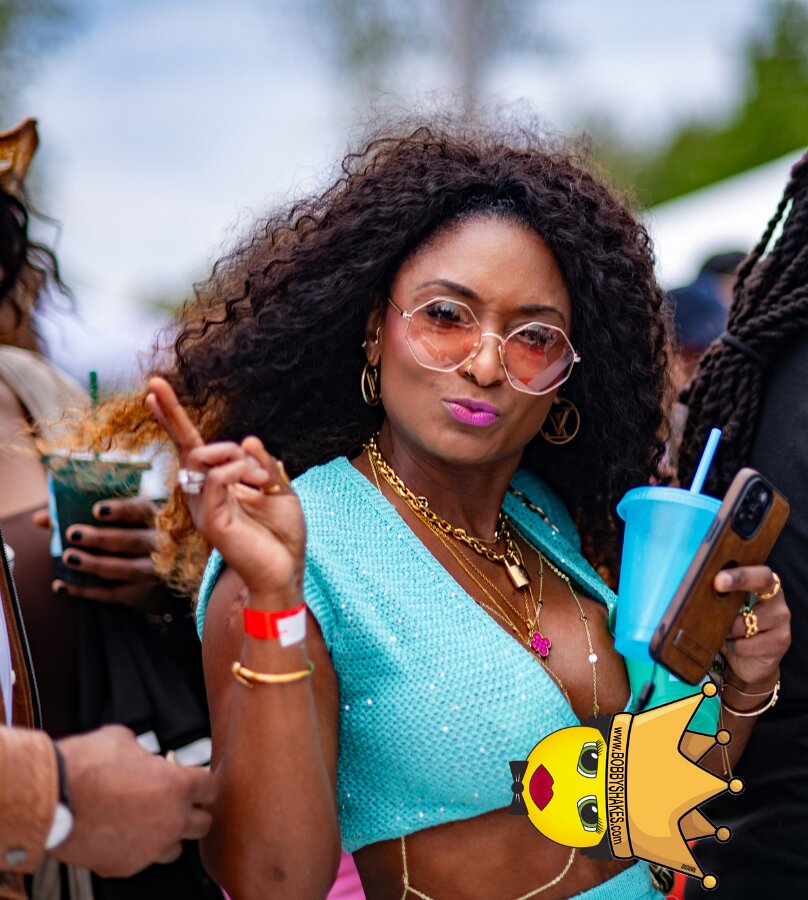
Which brings us to Spectacle Island. On August 30, 2026, Red House Entertainment threw Lost on the Boardwalk out in Boston Harbor to close the weekend — a food-inclusive island fete with DJ Mastamind running reggae, dancehall, and soca as the day went gold over the water. After the concert, after J'ouvert, after the road march, this was the wind-down: the community out on the harbor, the city skyline behind them, keeping a tradition of water fetes that's older than anyone on the boat.
From a shooter's standpoint it's a gift of a setting — open sky, harbor light, none of the club-black you fight all Carnival weekend. But the frame that matters isn't the skyline. It's the people: the diaspora gathered on an island to close out their season, exactly the way Caribbean people have gathered on beaches and boats for two hundred years. Same tradition, new harbor. Shot by Bobby Shakes for bobbyshakes.com.